

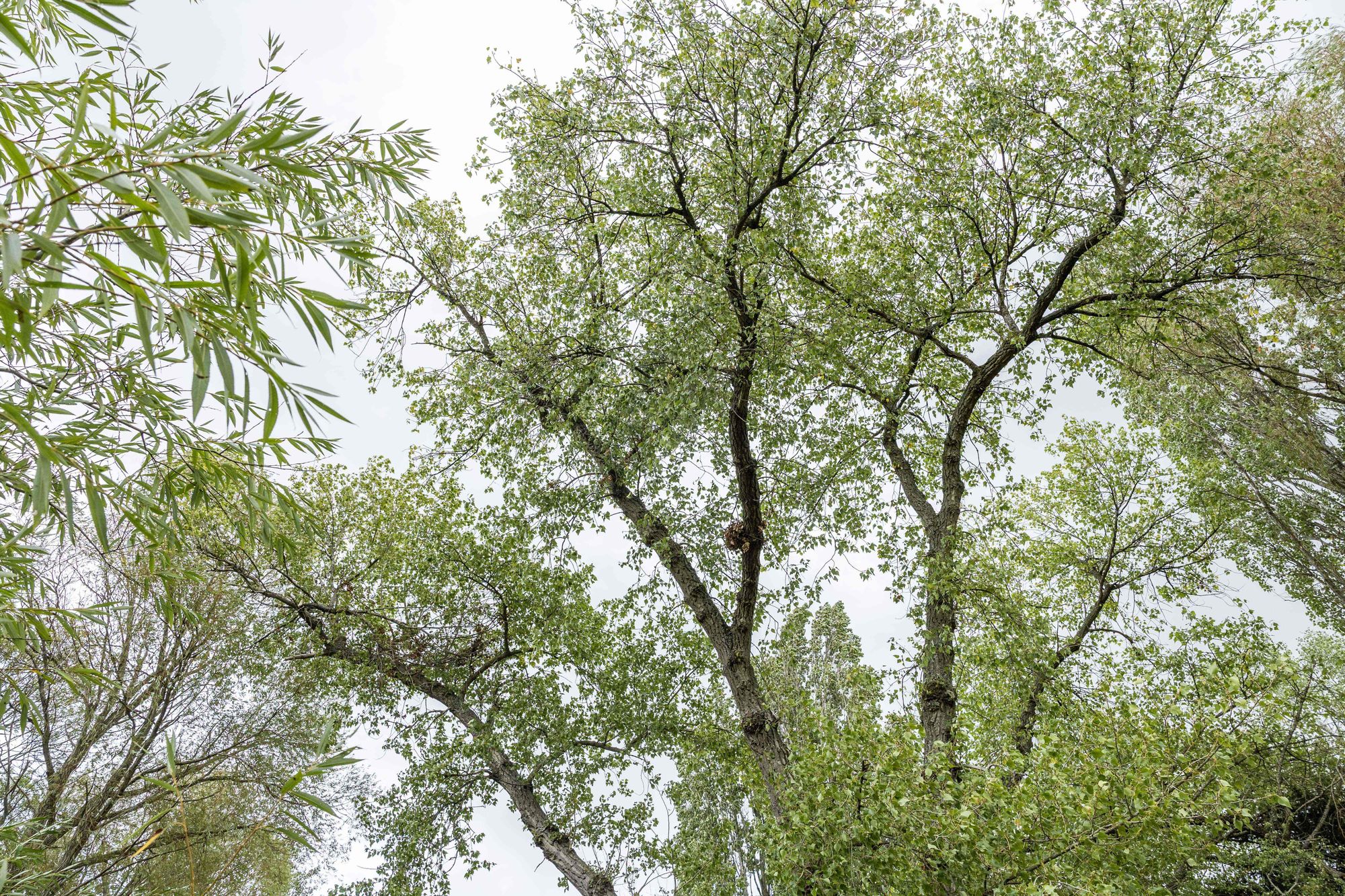
A new portfolio of Strategic Nature Projects is showcasing some of the most significant opportunities for nature recovery in Oxfordshire. The first six projects aim to restore habitats, support priority species and deliver wider benefits including cleaner water, greater flood resilience and improved wellbeing.
Plans to bring Britain’s rarest tree species back to Oxfordshire, restore a chalk grassland habitat in the Cotswolds, and a wildflower meadow restoration project in Eynsham are among six significant nature recovery projects identified for further work in the county.
After the successful partnership working that led to the publication of the local nature recovery strategy (LNRS), Oxfordshire County Council is continuing its work with the Oxfordshire Local Nature Partnership (OLNP).
The OLNP is launching the first of Oxfordshire’s strategic nature projects – a growing portfolio of the county’s most ambitious nature recovery initiatives, now live on our website. It will include 15 projects, with these six already promoted and more to come:
- Black poplar project to recover Britain’s rarest tree species back to floodplains in Oxfordshire.
- Cotswolds Savannah project: a large-scale chalk grassland and mosaic habitat restoration project on 2,000 hectares.
- Evenlode landscape recovery project restoring habitats, soil health, and waterways. Led by farmers without sacrificing food production.
- Thames Valley wildflower meadow restoration project in Eynsham, including the acquisition of a new piece of land.
- Ock and Thame landscape recovery project, including benefits for people, food, farming, and nature.
- Reconnecting Bernwood Otmoor and the Ray project.
Each project has been assessed for its strong alignment with the LNRS, which was published in November 2025, and its potential to deliver lasting, landscape-scale change. The projects include key actions to connect habitats across the county, support the recovery of priority species, and build greater local resilience in the face of increasingly extreme weather events.
Beyond nature recovery, the strategic projects each offer a variety of key wider benefits for people and place – cleaner water supplies, greater flood resilience, more opportunities for communities to connect with nature, and improvements for health, wellbeing and local economies.
Given that these projects are at different stages and different scales, the right kind of support will vary.
For some, philanthropic or grant funding will be the right fit. For others, public sources such as agri-environment payments or woodland creation grants may be more appropriate. As projects mature, opportunities through emerging nature markets are also expected to open up.
Over the coming months the OLNP and its members, including the council, will be promoting the portfolio more widely and connecting projects with the funders and partners best placed to support them.
Looking further ahead, the OLNP hopes to make it easier for individuals and businesses to contribute directly to the projects that matter most to them, through a crowdfunding-style approach – so that everyone with a stake in Oxfordshire's landscapes can play a part in their recovery.
For now, the public is invited to explore the projects, share them widely, and get in touch to help create a greener and more resilient Oxfordshire.

