

Bridewell Gardens Mental Health Charity, FarmAbility, Oxford Preservation Trust, West Oxfordshire District Council, Oxford Brookes University
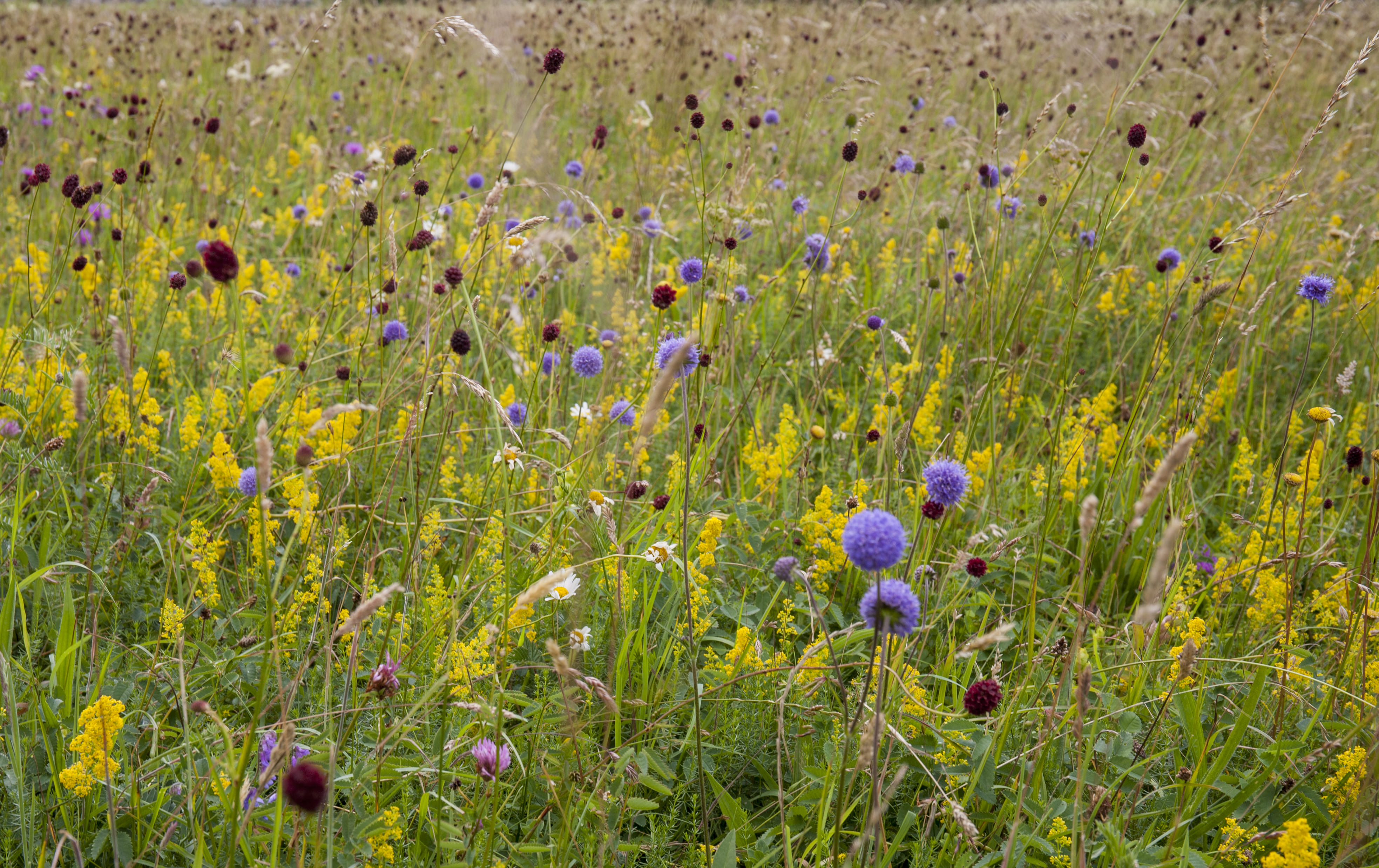
The Thames Valley Wildflower Meadow Restoration Project (TVWMRP) is a community-driven, landscape-scale project restoring floodplain meadows and their associated habitats - ponds, wet woodland, riparian habitats and hedgerows - in the Thames, Evenlode and Cherwell Catchments, in and upstream of Oxford, where 25% of the UK's surviving MG4 grassland lies. These meadows are amongst the most species-rich habitats in the UK but, with only around 1,200 hectares left in fragments, are on the verge of extinction. Led by the Long Mead Foundation (a registered charity) and the Nature Recovery Network (an Oxfordshire Community Action Group), the project connects local experts with local enthusiasts living in the same place - a flat, scalable network that builds up a team of skilled local people to protect and restore the land around them, field by field, and enables scientific data-gathering to be integral to the project.
Eight years on from its start in 2018, the local community is directly managing and restoring around 50 hectares of floodplain along the River Thames, and has connected up a total of approximately 250ha of ancient, restoring and newly created floodplain meadow between Pinkhill and King's Lock. The project focuses on LNRS priority species such as Devil's bit scabious - food plant of the marsh fritillary butterfly, now extinct in Oxfordshire - hand-propagating around 7,000 rare floodplain and wetland plants with the community each year. This matters because research has shown floodplain meadow restoration to have a disappointing success rate when it goes no further than sowing seed; by hand-propagating and planting out the rarer, slow-growing species at scale, TVWMRP has demonstrated over five years that community engagement significantly raises ecological outcomes. The project also works in close partnership with the Oxford Preservation Trust, Oxford colleges, local schools and landowners, and in 2026 submitted 12,350 biological records to TVERC.
What makes the project distinctive is that its ecological ambition and its social purpose are inseparable. TVWMRP brings adults with learning disabilities and autism, people facing mental and physical health challenges, school children, students, career-changers, immigrants and elderly people into the heart of the community to work together on a project of local and national significance. By building biodiverse nature recovery networks the project is also building diverse social support networks. Long-term partners include FarmAbility and Bridewell Gardens Mental Health Charity. The project is now seeking to transition from an entirely volunteer-run network to one with salaried core staff, so that it can sustain its expanding partnerships, deepen its outreach and secure the long-term future of this rare and rapidly disappearing habitat.

.png)